Repairing Seams And Edges In Artificial Grass
People searching for repairing seams and edges in artificial grass are typically looking to fix tears or loose areas, and local contractors can help restore a smooth, seamless look.
Property owners in the area who have invested in artificial grass often encounter the need to repair seams and edges over time. These areas can become vulnerable to wear, shifting, or damage, especially in high-traffic zones or after harsh weather conditions. Properly addressing seam and edge issues helps maintain the appearance and durability of the turf, ensuring it continues to look natural and function effectively. Whether for a backyard, commercial space, or sports field, understanding how to manage these repairs can save time and money in the long run, making it a practical concern for many local property owners.
Fortunately, there are experienced service providers in the community who specialize in repairing seams and edges in artificial grass. These contractors can assess the condition of the turf, identify underlying issues, and perform the necessary repairs to restore the integrity of the surface. Connecting with local experts ensures that repairs are handled efficiently and correctly, helping property owners preserve their investment and enjoy a seamless, attractive artificial grass area. Keep reading to learn more about how these professionals can assist with seam and edge repairs.
- Seam repair - homeowners noticing separation in artificial grass seams may seek local contractors to re-stitch or adhesive repair for a seamless look.
- Edge reinforcement - property owners with edges lifting or fraying can rely on service providers to secure and reinforce the borders for a tidy finish.
- Seam re-adhesion - when seams start to lift or peel, local pros can reapply specialized adhesives to restore the integrity of the artificial grass.
- Edge trimming and sealing - clients with damaged or uneven edges might need professionals to trim and seal the edges for a clean, secure boundary.
- Seam and edge patching - individuals with large tears or worn areas can have local contractors patch and blend seams and edges to improve appearance and durability.
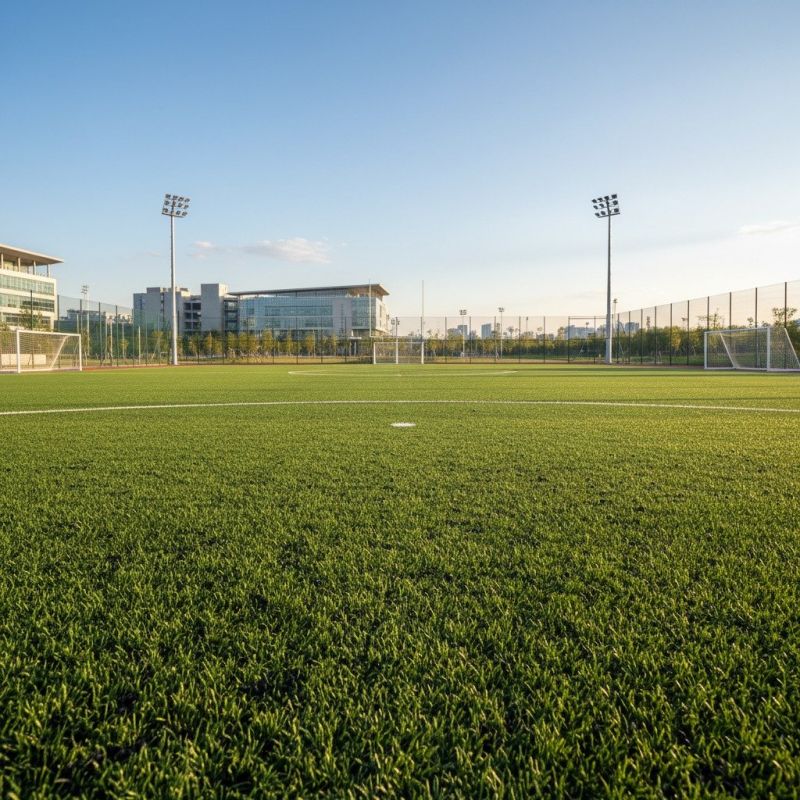
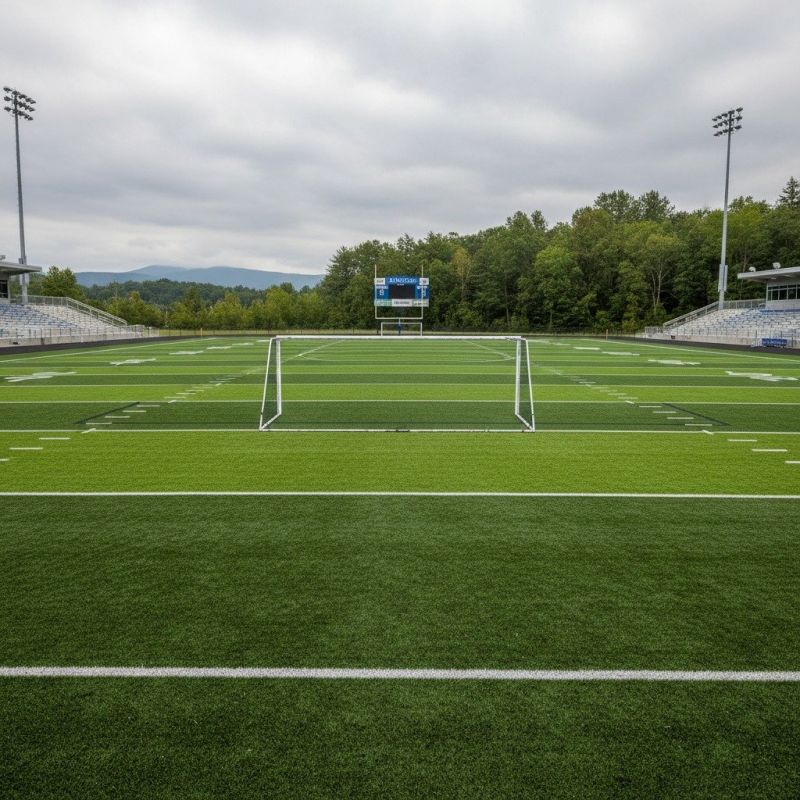
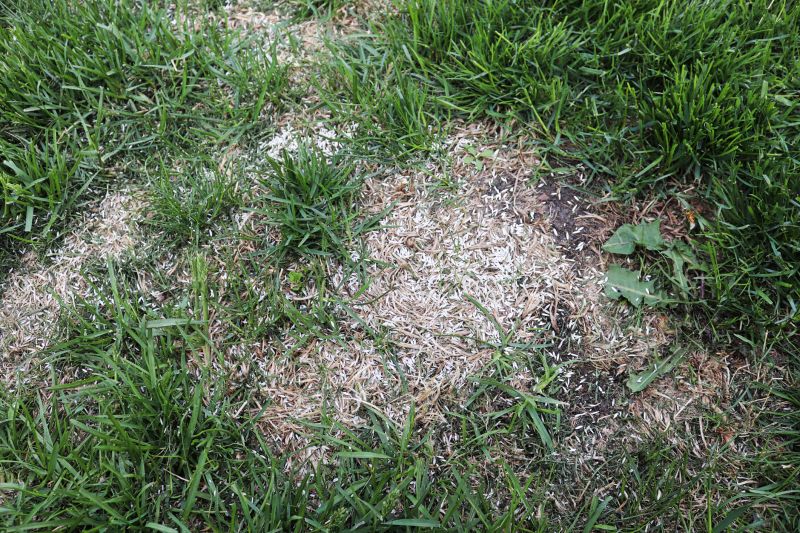
Repairing seams and edges in artificial grass is a common concern for homeowners who want their outdoor spaces to look seamless and well-maintained. When people search for this topic, they often mean fixing areas where the turf has come apart, separated, or become loose over time. These issues can occur due to heavy foot traffic, improper installation, or natural wear and tear. Homeowners typically seek solutions to restore the appearance of their artificial grass, prevent further damage, and ensure that the surface remains safe and visually appealing. Understanding how to address seam and edge problems is essential for maintaining the integrity and longevity of a turf installation.
These repair needs are frequently related to projects involving residential lawns, backyard play areas, or landscaped features that incorporate artificial grass. Problems often include seams that have started to lift or fray, edges that curl or become uneven, and areas where the turf no longer adheres properly to the ground. Such issues can compromise the overall look and functionality of the turf, making it important to find effective repair methods. Homeowners might also have plans to upgrade or extend their artificial grass, which can involve reseaming or re-edging existing installations to ensure a smooth, uniform surface.
Properties that typically come up in discussions about repairing seams and edges include single-family homes, multi-unit residential complexes, and commercial properties with artificial turf. These spaces often feature high foot traffic or outdoor activity, which can accelerate seam separation and edge deterioration. Additionally, properties with uneven ground or improper initial installation are more prone to these issues. Whether addressing minor repairs or more extensive restorations, local service providers are equipped to handle a variety of property types, helping to restore the turf’s appearance and functionality efficiently.
For homeowners considering repairs, understanding the role of local contractors is crucial. These service providers specialize in seam and edge repairs, offering expertise in patching, re-gluing, or re-seaming turf sections as needed. They can assess the specific conditions of a property, recommend appropriate repair techniques, and ensure that the artificial grass remains secure and visually consistent. Connecting with experienced local pros provides a practical way to address seam and edge issues, helping to extend the life of the turf and keep outdoor spaces looking their best.
Turf installation - professionals experienced in installing artificial grass often handle seam and edge repairs as part of their maintenance services to ensure a seamless look.
Landscape edging services - experts in creating and maintaining landscape borders have skills applicable to repairing edges in artificial grass to prevent lifting and fraying.
Synthetic turf repair - specialists who focus on repairing damaged synthetic surfaces can address seam separation and edge curling in artificial grass installations.
Ground leveling and prep - contractors skilled in preparing and leveling ground for turf installation are familiar with the foundational work needed for proper seam and edge repairs.
Drainage system installation - providers who install drainage solutions in turf areas understand how proper edge sealing contributes to effective water runoff management.
Artificial turf cleaning and maintenance - service providers offering maintenance services often perform seam and edge repairs to prolong the lifespan of artificial grass surfaces.
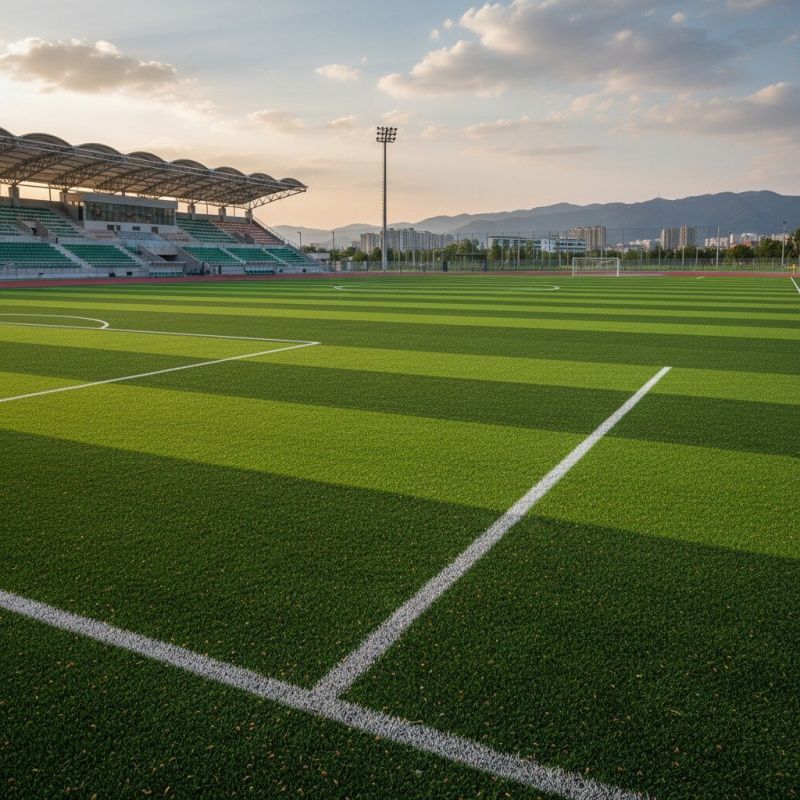
When evaluating service providers for repairing seams and edges in artificial grass, it is important to consider their experience with similar projects. Contractors who have a proven track record of handling artificial grass repairs are more likely to understand the nuances involved in seam reinforcement and edge restoration. Asking about their previous work on projects comparable in size and complexity can provide insight into their familiarity with the specific techniques and materials needed to achieve a seamless repair. This level of experience helps ensure that the repair work will be durable and visually cohesive, maintaining the overall appearance of the artificial grass surface.
Clear, written expectations are essential when comparing local contractors for artificial grass repair services. A detailed scope of work outlining what the repair will involve, the materials to be used, and the expected outcome can help prevent misunderstandings. Service providers who offer transparent communication about their process and provide written estimates or proposals demonstrate professionalism and a commitment to clarity. This approach allows homeowners to make informed decisions based on a thorough understanding of the scope and limitations of each contractor’s services, leading to a smoother repair experience.
Reputable references and strong communication skills are valuable factors to consider when selecting a local contractor for repairing seams and edges in artificial grass. Contractors who can provide references from previous clients or showcase examples of completed repairs can offer reassurance of their reliability and quality of work. Additionally, service providers who are responsive and clear in their communication tend to be easier to work with, ensuring that questions are answered and expectations are managed throughout the project. Prioritizing these qualities can help homeowners find a professional who is trustworthy and capable of delivering satisfactory results for their artificial grass repair needs.
Property owners often search for repairing seams and edges in artificial grass when they are planning practical projects around their homes and businesses. Local pros provide Artificial Grass Repair services for everyday jobs and straightforward project options.
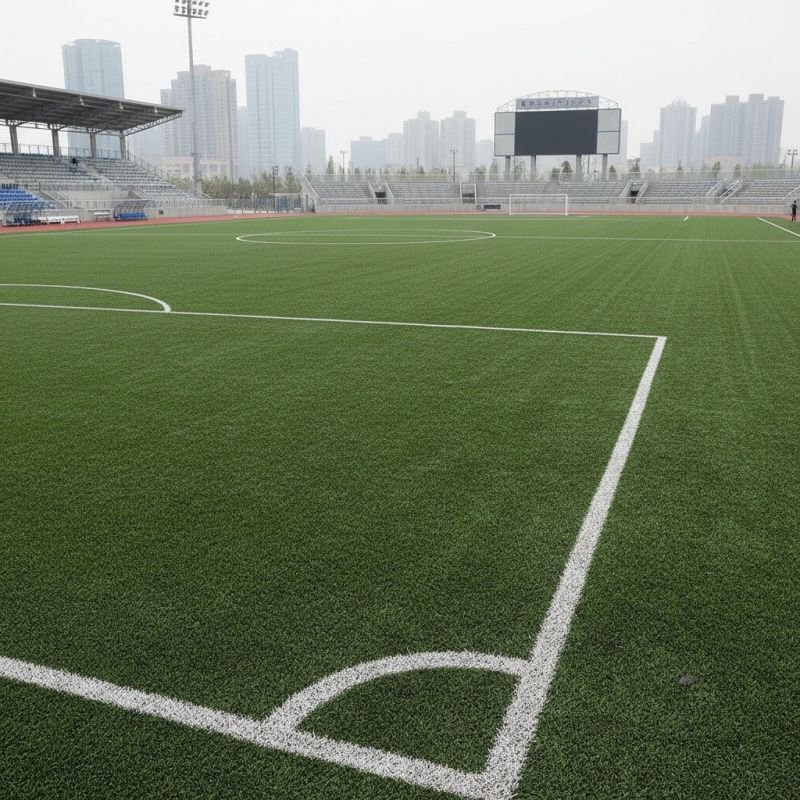
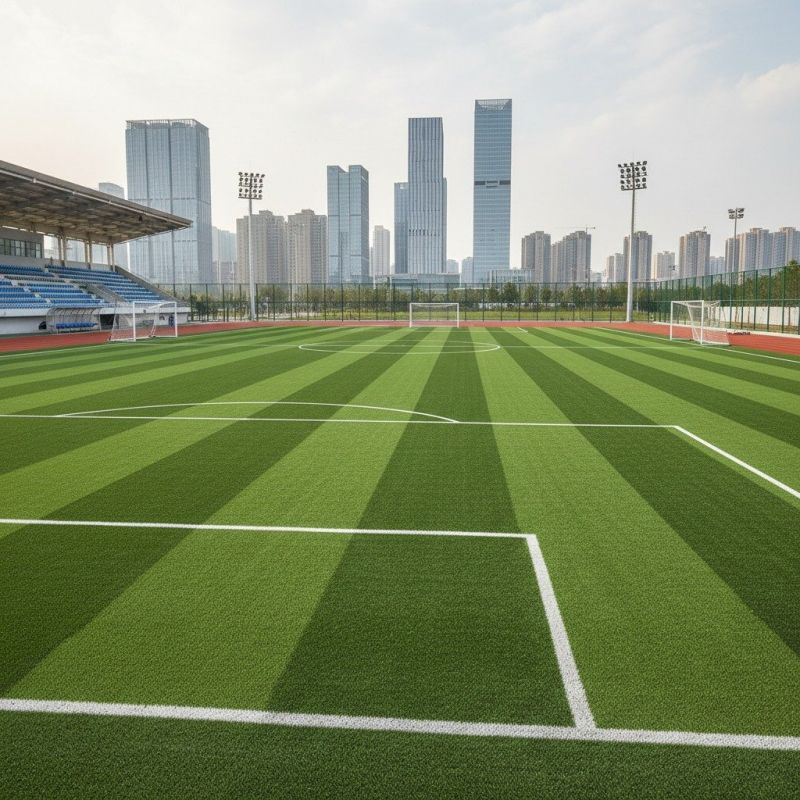
Property owners in the area often seek solutions for repairing seams and edges in artificial grass to maintain a neat and uniform appearance. Over time, regular foot traffic, weather conditions, or improper installation can cause seams to loosen or edges to lift, leading to an uneven look and potential safety concerns. Homeowners and business owners alike look for experienced local contractors who specialize in artificial grass repair to address these issues efficiently and restore the surface’s integrity.
Many individuals searching for this service want reliable professionals who can seamlessly fix the problem without the need for complete replacement. Whether it’s a small tear, a loose seam, or edges that are starting to fray, local service providers can help by offering tailored repair solutions. Connecting with local experts ensures that repairs are handled with the appropriate tools and techniques, helping property owners preserve the look and function of their artificial grass while avoiding further damage.
How do professionals repair seams in artificial grass? Local contractors typically use specialized adhesive and seam tape to secure and reinforce the seams, ensuring a smooth and durable finish.
What is the best way to fix edges that are lifting or fraying? Service providers often trim loose fibers, re-secure the edging with appropriate adhesives, and may add edging materials to prevent future lifting or fraying.
Can repairing seams and edges be done without replacing the entire section? Yes, experienced contractors can often repair specific seams and edges, avoiding the need for full replacement and restoring the appearance and functionality.
What tools or materials do local pros use for seam and edge repairs? They typically use seam tape, high-quality adhesives, turf scissors, and edging materials suited for artificial grass repairs.
Are repairs to seams and edges permanent? Properly performed repairs by local service providers are designed to be durable, but ongoing maintenance may be recommended to maintain the integrity of the repairs.
Assessing seam and edge damage - property owners can evaluate areas where artificial grass seams or edges are lifting or splitting to determine the extent of repair needed, often with guidance from local contractors.
Selecting appropriate repair materials - choosing the right adhesive, seam tape, or edging materials ensures a durable fix, and local pros can recommend suitable products for specific grass types.
Preparing the surface for repairs - clearing debris and securing loose edges creates a clean work area, facilitating effective repairs with the help of experienced service providers.
Executing seam and edge repairs - applying professional techniques to reattach or reinforce seams and edges can extend the lifespan of artificial grass, with local contractors offering expert repair services.
If you are thinking about repairing seams and edges in artificial grass for a property, this guide is meant to help you understand this topic, the typical project types, and how different options might fit your plans.
When you are ready, you can use the quote form on this page to share a few details about your project. From there, local pros can review the basics and follow up with options that match what you have in mind.