Signs Your Artificial Grass Needs Repair
If you notice signs your artificial grass needs repair, local contractors can efficiently restore its appearance and functionality.
If you’ve noticed irregular patches, uneven surfaces, or areas where your artificial grass appears worn or damaged, it could be a sign that repairs are needed. Property owners in the area often turn to local contractors to assess and restore their synthetic turf, ensuring it remains safe and visually appealing. Recognizing these signs early can help prevent further deterioration and maintain the functionality of the surface, whether it’s for a backyard, sports court, or commercial space. Keep reading to learn more about common indicators that your artificial grass might require professional attention.
Other signs that artificial grass needs repair include loose or lifted sections, bald spots, or areas with exposed backing or infill. These issues can result from heavy foot traffic, weather exposure, or natural wear over time. Local service providers specializing in artificial turf repair are equipped to address these problems efficiently, helping property owners restore their turf’s appearance and performance. Understanding these warning signs can make it easier to determine when professional intervention is needed to keep your artificial grass in top condition.
- Patchwork repairs - when sections of artificial turf become worn or damaged, local contractors can replace or patch affected areas to restore a seamless appearance.
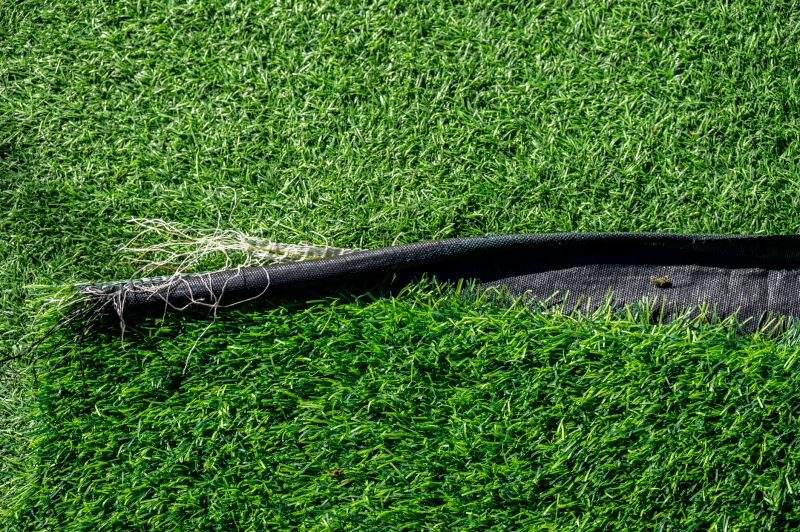
- Seam repairs - if seams start to lift or fray, service providers can re-secure or re-adhere them to maintain the turf’s integrity and safety.
- Crack or hole repair - when cracks or holes develop, local pros can fill and reinforce these spots to prevent further damage and maintain surface consistency.
- Infill replacement - signs of uneven surfaces or bare patches may indicate infill needs renewal, which local contractors can handle to ensure proper support.
- Drainage issues - pooling water or soggy areas suggest drainage problems that service providers can address through proper repair and installation adjustments.
Understanding the signs your artificial grass needs repair is essential for maintaining a safe and attractive outdoor space. Homeowners often search for this topic when they notice areas that look worn, uneven, or have developed issues that compromise the turf’s appearance or functionality. Common concerns include visible bald patches, flattened or matted sections, and areas where the fibers no longer stand upright. Recognizing these signs early can help prevent further damage and extend the lifespan of the turf, making it easier to plan for repairs with experienced local contractors.
The problems associated with artificial grass that signals a need for repair can vary widely. Over time, high foot traffic or heavy use can cause the fibers to become crushed or flattened, leading to uneven surfaces that feel less natural underfoot. Additionally, poor installation or subpar materials may result in seams coming apart or edges lifting. Damage from weather conditions, such as heavy rain or strong winds, can also lead to tearing or shifting of the turf. For property owners planning to maintain a pristine look or ensure safety, addressing these issues promptly with professional repair services can restore the turf’s integrity and appearance.
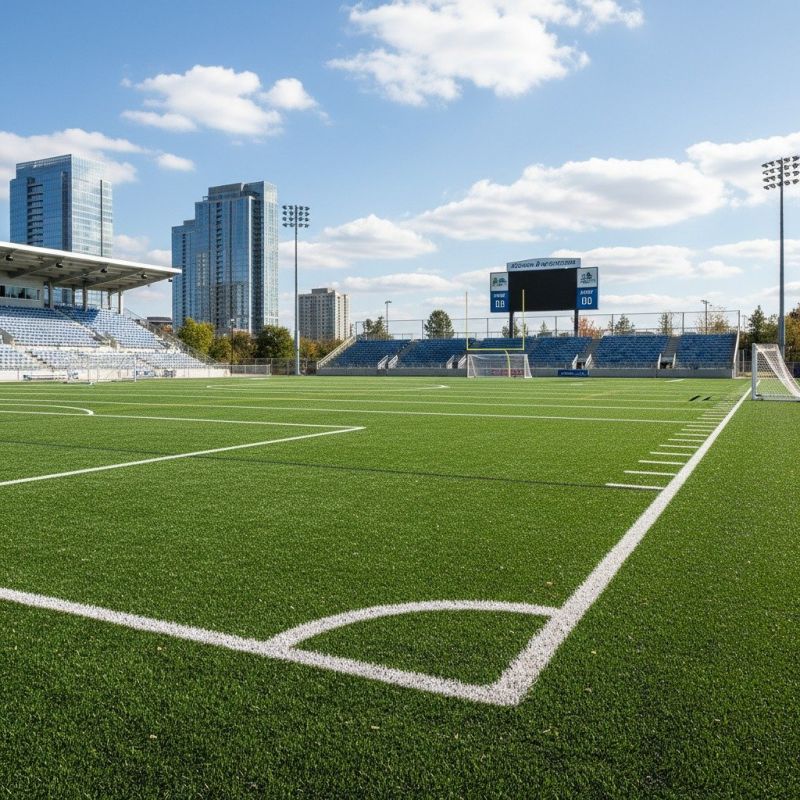
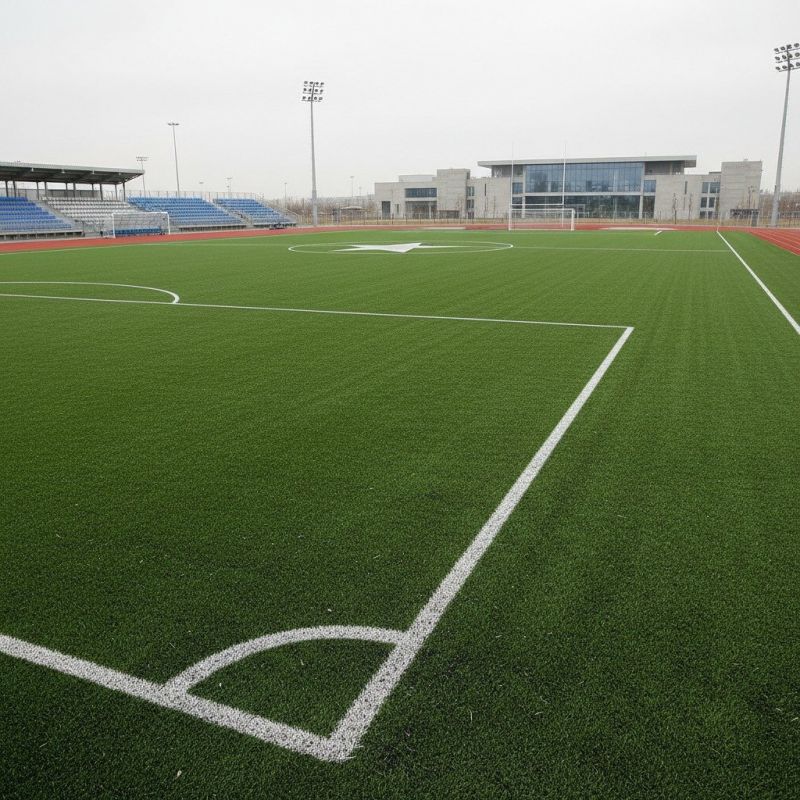
Properties that typically come up in discussions about artificial grass repair include residential yards, playgrounds, sports fields, and commercial landscapes. Homes with landscaped lawns often encounter wear and tear from daily activities, pets, or seasonal weather changes. Play areas and sports fields are especially prone to damage from consistent use, which can cause bald spots or uneven surfaces that pose safety risks. Commercial properties, such as office complexes or retail centers, also rely on well-maintained synthetic turf to create inviting outdoor spaces. In all these cases, local contractors specializing in artificial turf repair are equipped to assess the damage and provide solutions tailored to the specific property’s needs.
For homeowners and property managers, understanding the signs that artificial grass needs repair connects directly to ongoing maintenance and project planning. Recognizing issues like flattened fibers, seams coming apart, or areas with accumulated debris or discoloration helps identify when professional intervention is needed. Local service providers can evaluate the extent of damage and recommend appropriate repairs, whether that involves patching, re-installation, or infill replacement. Engaging with experienced contractors ensures that the turf remains functional, safe, and visually appealing, ultimately supporting the property’s overall aesthetic and usability.
Landscape Design Projects - These projects often involve planning and installing various ground coverings, similar to assessing and repairing artificial turf to ensure proper appearance and function.
Drainage System Installations - Proper drainage is essential for artificial grass longevity, making drainage system setup and repairs relevant skills for addressing turf issues caused by water pooling or erosion.
Outdoor Patio and Decking Projects - These projects require surface preparation and installation skills that align with repairing and maintaining artificial turf surfaces for safety and aesthetics.
Playground Surface Installations - Installing and repairing playground surfaces often involves working with synthetic materials, paralleling the skills needed for artificial turf repair and replacement.
Erosion Control Projects - Managing soil stability and preventing erosion are related to fixing turf areas damaged by shifting ground or uneven surfaces.
Synthetic Surface Installations - These projects involve working with various synthetic materials, making the skills applicable for repairing and maintaining artificial grass surfaces.
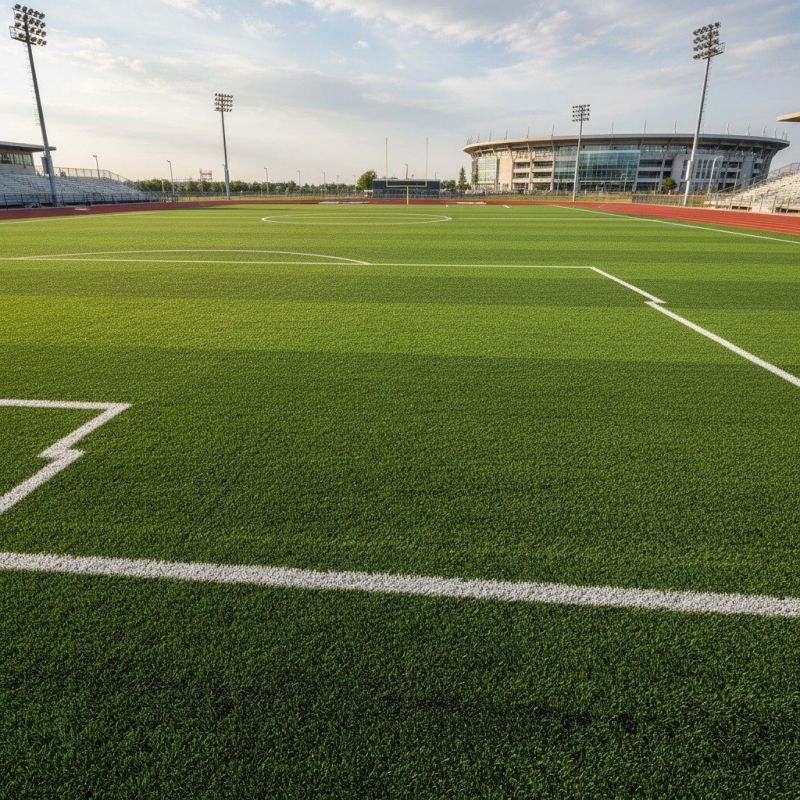
When evaluating artificial turf repair services, it’s important to consider the experience of local contractors with similar projects. Homeowners should inquire about how long a service provider has been working with artificial grass and whether they have handled repairs involving issues like uneven surfaces, damaged backing, or worn-out fibers. A contractor’s familiarity with various types of artificial turf and repair techniques can help ensure the work is done efficiently and effectively. Checking whether a provider has a history of successful projects in residential settings can give added confidence that they understand the specific needs of home installations.
Clear written expectations are essential when comparing local pros for artificial grass repair. Homeowners should seek detailed descriptions of the services offered, including what the repair process entails, the scope of work, and any warranties or guarantees provided. Transparent communication about what the repair will involve helps prevent misunderstandings and ensures that both parties are aligned on the project’s goals. It’s also beneficial to understand how the contractor plans to address common signs your artificial grass needs repair, such as bald patches, loose seams, or drainage issues, so expectations are realistic and well-informed.
Reputable references and strong communication are key factors in choosing a reliable service provider. Homeowners are encouraged to ask for references or reviews from previous clients who had similar repairs completed. This feedback can offer insights into the contractor’s professionalism, quality of work, and ability to complete projects on time. Additionally, good communication throughout the process-such as responsiveness to questions and clarity in explaining repair options-helps ensure a smooth experience. When a contractor demonstrates transparency and a willingness to address concerns, it can be a positive indicator of their commitment to quality workmanship and customer satisfaction.
Property owners often search for signs your artificial grass needs repair when they are planning practical projects around their homes and businesses. Local pros provide Artificial Turf Repair services for everyday jobs and straightforward project options.
Property owners in the area often notice that their artificial grass begins to show signs of wear and tear over time, especially in high-traffic zones or after harsh weather conditions. Common indicators include uneven surfaces, bald patches, or areas where the turf appears lifted or loose. These issues can lead to an uneven look and may even pose safety concerns, prompting property owners to seek professional artificial turf repair services to restore the surface’s appearance and functionality.
Other signs that artificial grass may need repair include visible seams or edges that are curling or separating, as well as the presence of weeds or debris that become trapped between the turf fibers. Additionally, discoloration or fading can diminish the overall aesthetic, making it look less vibrant. When these issues arise, local contractors experienced in artificial turf repair can help address the problems efficiently, ensuring the surface remains attractive and safe for everyday use.
How can I tell if my artificial grass has loose or uneven areas? If your turf feels uneven or develops noticeable bumps or dips, it may indicate that the infill has shifted or the backing has loosened, signaling a need for repair by local contractors.
What are signs of damage or tears in artificial grass? Visible tears, rips, or frayed edges are clear signs that the turf has experienced damage and may require patching or replacement services from experienced service providers.
How do I know if there is underlying subsurface damage? If your artificial grass shows persistent sinking or shifting despite proper installation, it could be due to issues beneath the surface that local repair specialists can assess and address.
What indicates that the turf’s drainage system might be compromised? Standing water or pooling on the surface after rain suggests drainage problems, which can be resolved by professionals skilled in turf repair and drainage solutions.
When should I consider repair due to fading or discoloration? Significant fading or uneven discoloration may point to UV damage or surface wear, and local contractors can perform repairs to restore the turf’s appearance.
Visible Wear and Tear - Noticing frayed or flattened areas in the turf can indicate the need for repair, encouraging property owners to seek local contractors for restoration.
Uneven Surface - When the artificial grass develops bumps or dips, it may require professional leveling services to maintain a smooth appearance and safe footing.
Fading or Discoloration - Significant color loss or uneven shading can signal damage, prompting property owners to consider repair services to restore the turf’s visual appeal.
Drainage Problems - Water pooling or poor runoff suggests underlying issues that can be addressed by local contractors to ensure proper drainage and prevent further damage.
If you are thinking about signs your artificial grass needs repair for a property, this guide is meant to help you understand this topic, the typical project types, and how different options might fit your plans.
When you are ready, you can use the quote form on this page to share a few details about your project. From there, local pros can review the basics and follow up with options that match what you have in mind.